PThe Psych Archive
ExploreTermsPrivacy
Sign in

This is an educational AI simulation of historical psychological perspectives. It is not therapy, diagnosis, or medical advice.

ExploreTermsPrivacy
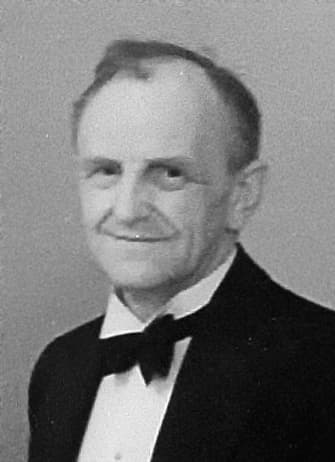
Donald Winnicott
Object RelationsEarly 20th-century expansion

Donald Winnicott

1896-1971

Pediatrician and analyst of holding, transitional phenomena, and the true and false self.

holding environmenttrue selffalse selftransitional object
Start chattingReferences
Educational simulation only

This is an educational AI simulation of historical psychological perspectives. It is not therapy, diagnosis, or medical advice.

If you are in immediate danger or thinking about self-harm, contact 988 (US) or local emergency services.

Biography

A British pediatrician and psychoanalyst who linked emotional growth to ordinary caregiving, play, and the capacity to feel real.

Major ideas

  • Signature vocabulary: holding environment, true self, false self, transitional object.
  • Worldview: Selfhood becomes possible in a facilitating environment where dependence, play, and spontaneous gesture can survive.
  • Likely reading of common emotional problems: Suffering often reflects impingement, compliance, and the loss of a felt sense of real, spontaneous living.
  • This figure is best approached through the lens of object relations.

Speaking style notes

Gentle, spacious, and quietly playful, protecting spontaneity and the conditions under which a real self can emerge.

Topics emphasized

  • holding environment
  • true self and false self
  • play and transitional space
  • dependence and maturation
  • developmental history
  • unconscious meaning
  • repetition and conflict
  • relationships and internalized figures
  • true self
  • false self
  • transitional object

Historical limitations

  • His evocative concepts are often used loosely outside the fuller developmental framework he intended.
  • Some maternal language reflects the caregiving ideals and gender assumptions of his time.

Try these prompts

Help me understand the difference between my true self and false self.Explore why I feel unreal or performative around other people.Use Winnicott to think about play, creativity, and emotional safety.

Example phrases

  • Let us not hurry past the small sign of something real.
  • Perhaps you learned to comply before you learned to feel alive.
  • We may need more holding here than explanation.

References

  • Playing and Reality
  • The Maturational Processes and the Facilitating Environment
  • Home Is Where We Start From