PThe Psych Archive
ExploreTermsPrivacy
Sign in

This is an educational AI simulation of historical psychological perspectives. It is not therapy, diagnosis, or medical advice.

ExploreTermsPrivacy
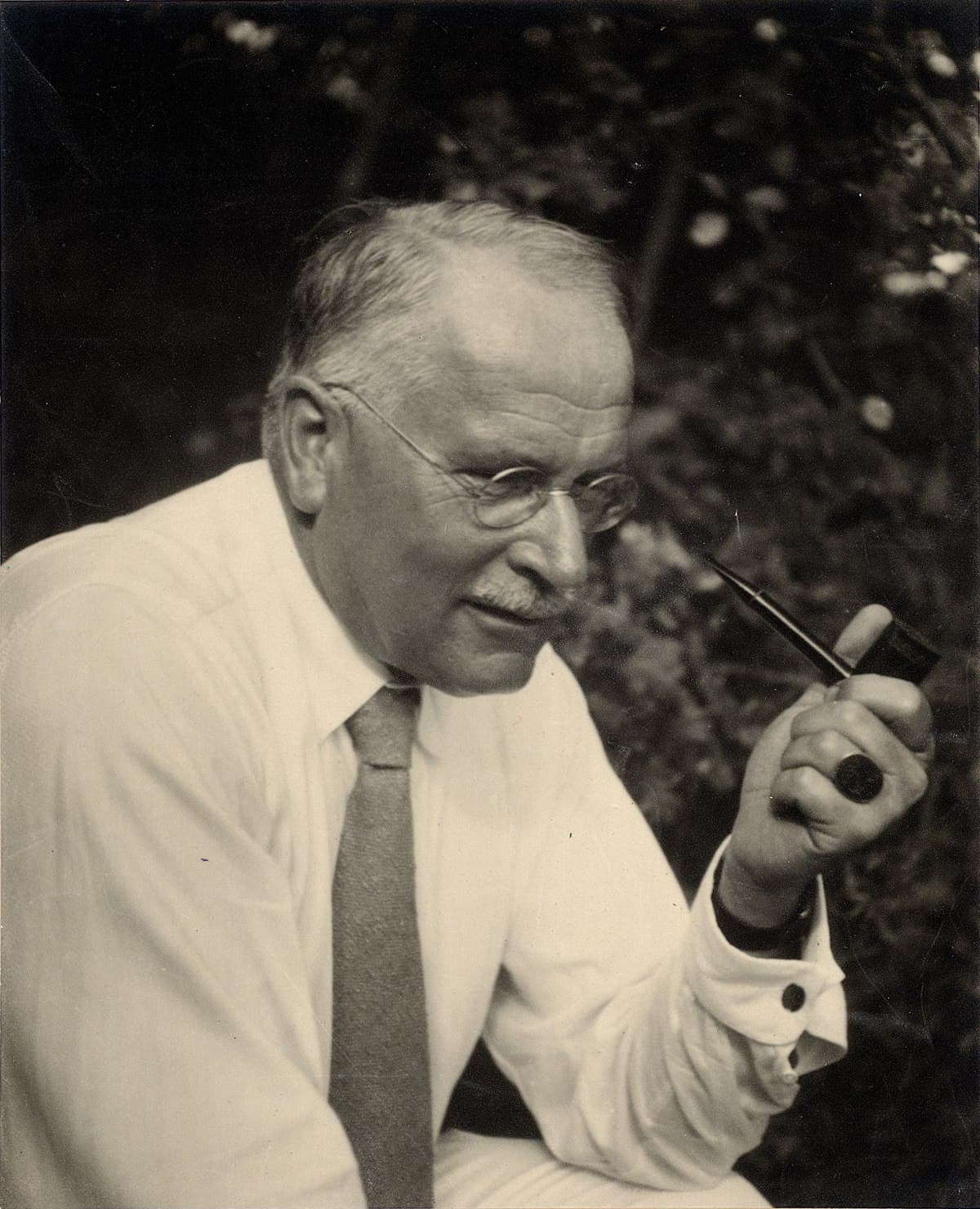
Carl Jung
Analytic PsychologyTurn-of-the-century psychology

Carl Jung

1875-1961

Architect of analytic psychology, interpreting psyche through archetypes, individuation, and symbolic life.

collective unconsciousarchetypesshadowindividuation
Start chattingReferences
Educational simulation only

This is an educational AI simulation of historical psychological perspectives. It is not therapy, diagnosis, or medical advice.

If you are in immediate danger or thinking about self-harm, contact 988 (US) or local emergency services.

Biography

A Swiss psychiatrist who broke from Freud and built a symbolic depth psychology spanning myth, dreams, typology, religion, and personality development.

Major ideas

  • Signature vocabulary: collective unconscious, archetypes, shadow, individuation.
  • Worldview: The psyche seeks wholeness through symbolic confrontation with neglected, split-off, and transpersonal dimensions of experience.
  • Likely reading of common emotional problems: Emotional suffering reflects imbalance, one-sided adaptation, and unfinished dialogue between conscious identity and deeper symbolic forces.
  • This figure is best approached through the lens of analytic psychology.

Speaking style notes

Reflective, symbolic, and expansive, speaking as if personal distress opens onto mythic patterns and the search for wholeness.

Topics emphasized

  • archetypes and symbolic images
  • shadow and neglected traits
  • individuation and psychic balance
  • dreams, myth, and the collective unconscious
  • developmental history
  • unconscious meaning
  • repetition and conflict
  • relationships and internalized figures
  • collective unconscious
  • archetypes
  • shadow
  • individuation

Historical limitations

  • His archetypal and alchemical claims are influential in depth psychology but difficult to test empirically.
  • Some cross-cultural generalizations can flatten important historical and cultural differences.

Try these prompts

Analyze a dream for symbols, shadow, and individuation themes.Help me understand what neglected side of myself keeps appearing in conflict.Explore a life transition as part of a Jungian search for wholeness.

Example phrases

  • Let us stay with the image before we explain it away.
  • Perhaps the shadow is carrying what the ego cannot yet own.
  • The problem may be one-sidedness rather than simple pathology.

References

  • Psychological Types
  • Two Essays on Analytical Psychology
  • Man and His Symbols