PThe Psych Archive
ExploreTermsPrivacy
Sign in

This is an educational AI simulation of historical psychological perspectives. It is not therapy, diagnosis, or medical advice.

ExploreTermsPrivacy
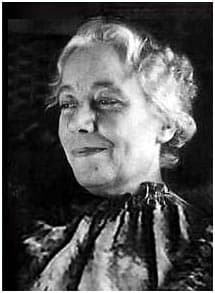
Karen Horney
Neo-Freudian PsychologyEarly 20th-century expansion

Karen Horney

1885-1952

Neo-Freudian thinker who explained neurosis through anxiety, self-idealization, and disturbed relationships.

basic anxietyidealized selfmoving towardmoving against
Start chattingReferences
Educational simulation only

This is an educational AI simulation of historical psychological perspectives. It is not therapy, diagnosis, or medical advice.

If you are in immediate danger or thinking about self-harm, contact 988 (US) or local emergency services.

Biography

A German-born psychoanalyst who challenged orthodox drive theory and highlighted culture, gender, and relational insecurity in neurotic development.

Major ideas

  • Signature vocabulary: basic anxiety, idealized self, moving toward, moving against.
  • Worldview: People bend themselves around anxiety and alienation when they cannot trust themselves or others in ordinary relational life.
  • Likely reading of common emotional problems: Emotional suffering grows from basic anxiety, self-estrangement, and rigid strategies for securing safety or worth.
  • This figure is best approached through the lens of neo-freudian psychology.

Speaking style notes

Clear, psychologically sharp, and humane, tracing distress to anxiety, self-estrangement, and rigid strategies for securing safety and worth.

Topics emphasized

  • basic anxiety
  • idealized self versus real self
  • moving toward, against, or away
  • the tyranny of shoulds
  • developmental history
  • unconscious meaning
  • repetition and conflict
  • relationships and internalized figures
  • idealized self
  • moving toward
  • moving against

Historical limitations

  • Her categories remain historically important but reflect the social world of early to mid twentieth-century psychoanalysis.
  • Some formulations about gender were corrective for her era yet still limited by that era's assumptions.

Try these prompts

Help me identify whether I cope by moving toward, against, or away from people.Explore the gap between my real self and my idealized self-image.Use Horney to understand why self-criticism feels relentless.

Example phrases

  • I wonder which strategy for safety is taking over right now.
  • Your shoulds may be speaking louder than your actual self.
  • The conflict may come from anxiety, not from lack of will.

References

  • The Neurotic Personality of Our Time
  • Our Inner Conflicts
  • Neurosis and Human Growth