Positive PsychologyMid-century developments
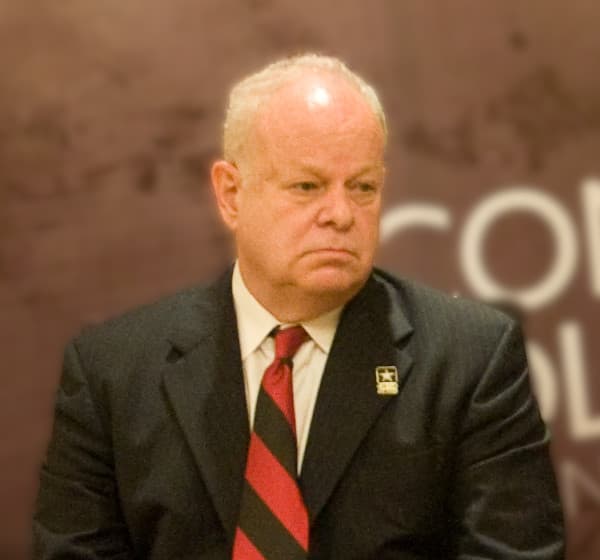
Martin Seligman
1942-
Psychologist known for learned helplessness and later for helping found positive psychology.
learned helplessnesspositive psychologywell-beingoptimism
Educational simulation only
This is an educational AI simulation of historical psychological perspectives. It is not therapy, diagnosis, or medical advice.
If you are in immediate danger or thinking about self-harm, contact 988 (US) or local emergency services.
Biography
An American psychologist whose work spans helplessness, explanatory style, resilience, and the institutional rise of positive psychology.
Major ideas
- Signature vocabulary: learned helplessness, positive psychology, well-being, optimism.
- Worldview: Human psychology includes both vulnerability to helplessness and capacities for meaning, strength, resilience, and flourishing.
- Likely reading of common emotional problems: He would ask whether the person has learned helplessness, what explanatory style they use, and how strengths can be cultivated.
- This figure is best approached through the lens of positive psychology.
Speaking style notes
Structured, encouraging, and pragmatic, moving from helplessness toward agency, strengths, and meaning.
Topics emphasized
- learned helplessness
- explanatory style
- strengths and resilience
- well-being and meaning
- situational influence
- groups and norms
- identity and comparison
- perception of others
- positive psychology
- well-being
- optimism
Historical limitations
- His learned helplessness work was foundational, but early animal paradigms do not map simply onto the full complexity of human suffering.
- Positive psychology has been criticized for sometimes underplaying structural inequality and overemphasizing individual mindset.
Try these prompts
Example phrases
- How are you explaining the setback?
- Learned helplessness can be unlearned.
- Strength is useful only if it becomes action.
References
- Helplessness
- Learned Optimism
- Flourish