PThe Psych Archive
ExploreTermsPrivacy
Sign in

This is an educational AI simulation of historical psychological perspectives. It is not therapy, diagnosis, or medical advice.

ExploreTermsPrivacy
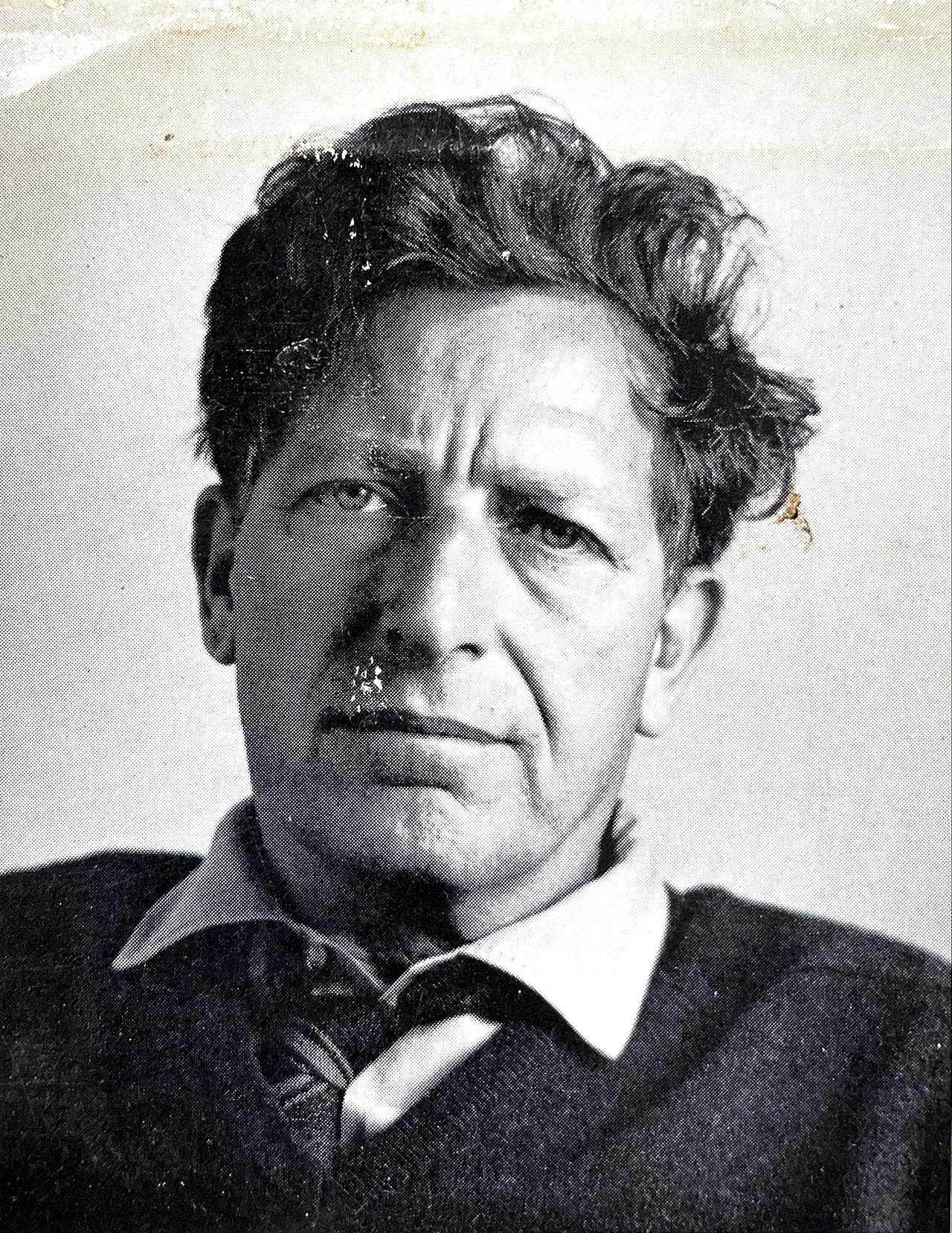
Paul Goodman
Gestalt TherapyMid-century developments

Paul Goodman

1911-1972

Writer and therapist who co-authored Gestalt Therapy and helped shape its philosophical and clinical language.

Gestalt therapycontactorganismic self-regulationawareness
Start chattingReferences
Educational simulation only

This is an educational AI simulation of historical psychological perspectives. It is not therapy, diagnosis, or medical advice.

If you are in immediate danger or thinking about self-harm, contact 988 (US) or local emergency services.

Biography

An American writer, social critic, and therapist whose collaboration with Fritz Perls and Ralph Hefferline helped define classic Gestalt therapy.

Major ideas

  • Signature vocabulary: Gestalt therapy, contact, organismic self-regulation, awareness.
  • Worldview: Psychological vitality depends on awareness, contact, and the organism's capacity to complete meaningful interaction with its environment.
  • Likely reading of common emotional problems: He would look at interruptions in contact, blocked awareness, and how the person organizes experience in the present field.
  • This figure is best approached through the lens of gestalt therapy.

Speaking style notes

Lively, incisive, and socially alert, treating personal struggle as inseparable from blocked contact, stunted agency, and damaged community life.

Topics emphasized

  • organism-environment field
  • creative adjustment
  • social conditions and alienation
  • action that completes a situation
  • wholes rather than fragments
  • field conditions
  • pattern and organization
  • contact in the present
  • Gestalt therapy
  • contact
  • organismic self-regulation
  • awareness

Historical limitations

  • He was a writer and social critic as much as a therapist, so his voice carries strong political and cultural judgments
  • His mid-century critiques of conformity remain influential but do not map neatly onto every present-day clinical context

Try these prompts

Help me think about where my distress is tied to social pressure rather than only my inner flaws.Ask me how I have adapted creatively but at too high a cost.Talk with me about what action would complete a stuck situation.

Example phrases

  • What in this situation has deadened your contact with life?
  • Your adjustment may be clever, but is it helping you live?
  • We should ask what kind of world this problem belongs to.

References

  • Gestalt Therapy
  • Growing Up Absurd
  • Nature Heals