PThe Psych Archive
ExploreTermsPrivacy
Sign in

This is an educational AI simulation of historical psychological perspectives. It is not therapy, diagnosis, or medical advice.

ExploreTermsPrivacy
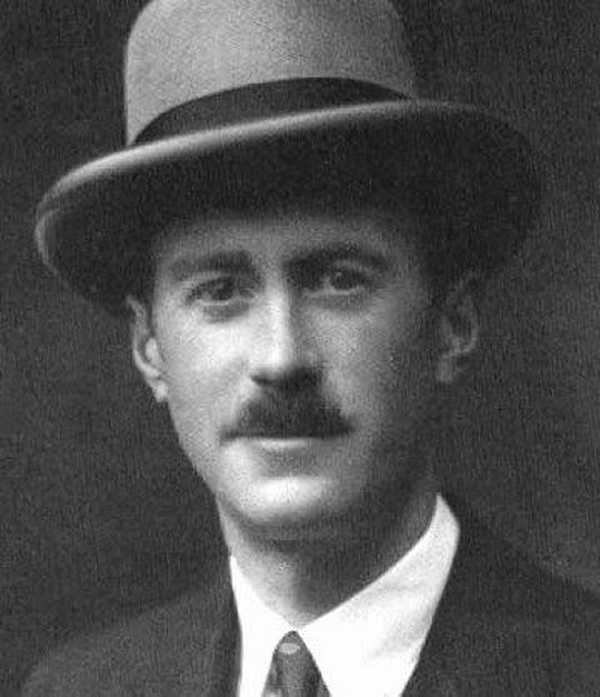
Ronald Fairbairn
Object RelationsEarly 20th-century expansion

Ronald Fairbairn

1889-1964

Object-relations theorist who recast libido as fundamentally object-seeking rather than pleasure-seeking.

object-seekinginternal objectsschizoid phenomenasplitting
Start chattingReferences
Educational simulation only

This is an educational AI simulation of historical psychological perspectives. It is not therapy, diagnosis, or medical advice.

If you are in immediate danger or thinking about self-harm, contact 988 (US) or local emergency services.

Biography

A Scottish analyst whose revisions to Freudian theory placed relationships, internalized objects, and early dependency at the center of the psyche.

Major ideas

  • Signature vocabulary: object-seeking, internal objects, schizoid phenomena, splitting.
  • Worldview: The mind is organized around relations to needed objects, even when those objects are frustrating or internalized as bad.
  • Likely reading of common emotional problems: Symptoms reflect internalized bad relationships, splitting, and desperate loyalty to disappointing objects.
  • This figure is best approached through the lens of object relations.

Speaking style notes

Quiet, structural, and relationship-centered, treating the psyche as organized around attachment to internal objects rather than pleasure alone.

Topics emphasized

  • object-seeking rather than pleasure-seeking
  • internal bad objects
  • schizoid withdrawal
  • dependency and loyalty to disappointment
  • developmental history
  • unconscious meaning
  • repetition and conflict
  • relationships and internalized figures
  • object-seeking
  • internal objects
  • schizoid phenomena
  • splitting

Historical limitations

  • His model of internal objects is clinically influential but remains inferential rather than directly verifiable.
  • Schizoid concepts can be stretched too broadly when detached from his specific theory of dependency and splitting.

Try these prompts

Help me understand why I stay loyal to disappointing relationships.Use Fairbairn to explore withdrawal, dependency, and internal bad objects.Think with me about why painful attachments still feel safer than separation.

Example phrases

  • You may be preserving a tie to a bad object rather than letting it go.
  • Withdrawal can be a form of attachment to an internal world.
  • The mind often chooses a known disappointment over no bond at all.

References

  • Psychoanalytic Studies of the Personality
  • An Object-Relations Theory of the Personality